
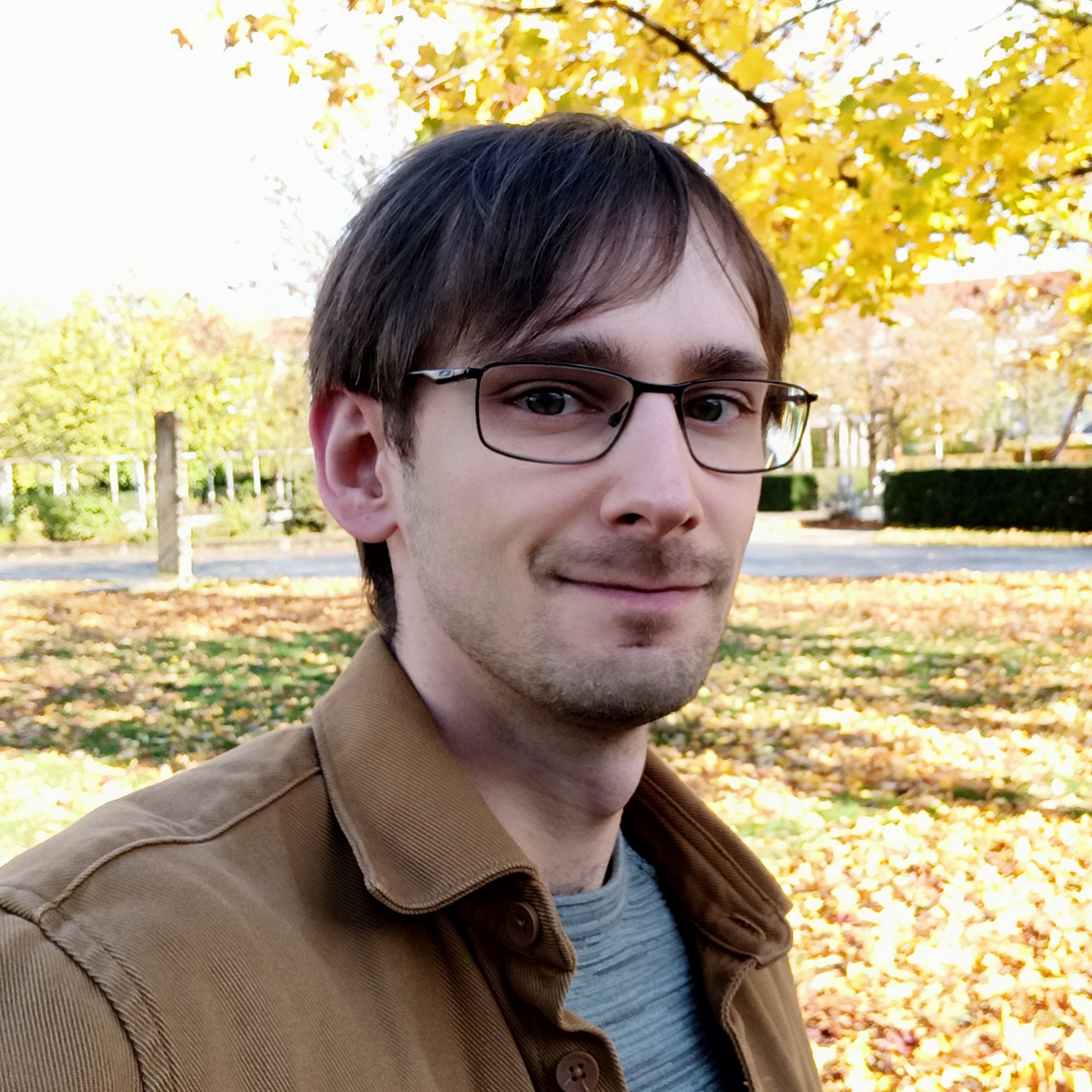
Germans Hirsch
Senior Machine Learning Engineer
How did you first become interested in machine learning?
My interest grew during my master’s studies, where I explored AI, image processing, and audio analysis, and became fascinated by how machines can extract patterns from complex data. When I was introduced to multimedia forensics, it felt like a natural fit, as it combines security, media data, and machine learning. What I found most compelling was how much insight you can extract from data when you analyze it carefully and consider multiple modalities together.
What are you currently working on, and why is it important?
I’m currently contributing to efforts to detect AI-generated images and videos, with a focus on text-to-video workflows and video analysis. As generative models evolve rapidly, a key challenge is building detection methods that remain robust across tools and versions, and that can be evaluated reliably under realistic conditions. I’m particularly interested in systematic benchmarking and in exploring what can be learned directly from the image or video itself – signals that can help strengthen authenticity assessments as the technology continues to change.
How could your work change the way people interact with digital media?
I hope the tools we develop can help in situations where it’s unclear whether an image, video, or audio recording is authentic. If people have reliable ways to assess content, they can make more informed decisions. More broadly, this work can support a more critical approach to digital media, especially as synthetic content becomes increasingly realistic. Detection tools can add valuable context, while the final judgment still rests with people.
How do you approach problems that seem unsolvable?
When something feels unsolvable, I try to understand the problem more precisely and break it into smaller parts. That often turns a vague challenge into something you can test step by step. I also find it helpful to talk things through with a colleague. Those discussions often reveal assumptions I hadn’t noticed or suggest a simpler approach to start with.
What’s the best advice you’ve ever received, and why was it impactful?
“Simplify when you can.” It helps me avoid getting lost in details too early. Starting with a simplified version of a problem makes it easier to understand what really matters and to design experiments that actually test your assumptions. Once that basic picture is clear, you can add complexity step by step and see what truly changes the results.
What trends in your field excite you the most?
What I find most exciting is how quickly the quality of generated images and videos is improving, alongside the development of new methods to detect and analyze them. This rapid progress shows that there is still much to explore in the field. New approaches and ideas are providing deeper insights into patterns in the behavior of generative models and the characteristics that tend to appear in generated visual media. This growing understanding is valuable not only from a research perspective but also for improving practical detection systems. At the same time, these developments create opportunities to integrate new ideas into our work and to pursue further research grounded in our team's expertise.